What Are Gastrointestinal Cancers?
Gastrointestinal (GI) cancers are a group of cancers that affect the digestive system — including the oesophagus, stomach, liver, gallbladder, pancreas, small intestine, colon, rectum, and anus. They are among the most common cancers worldwide, yet many are highly treatable when caught early.
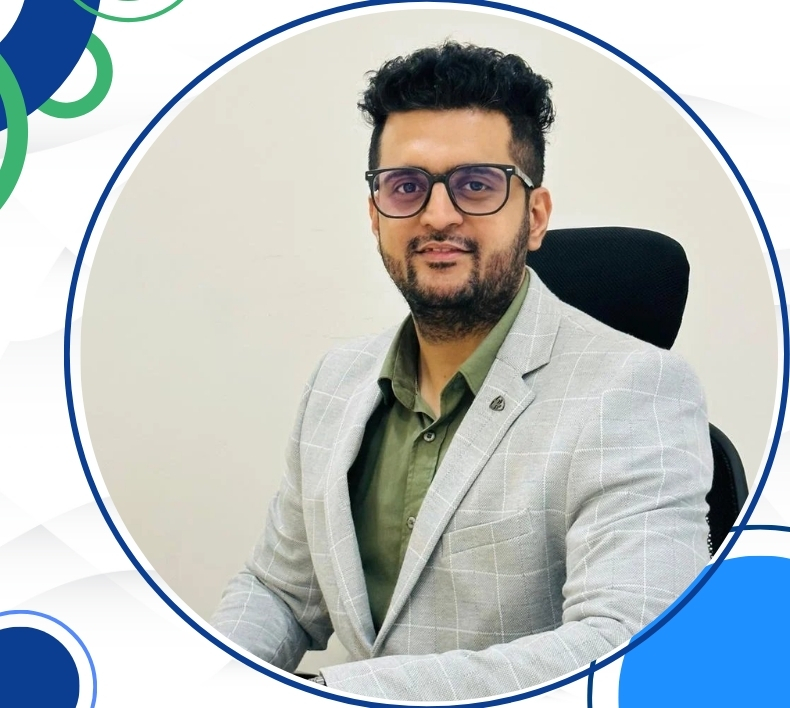
Advanced endoscopic techniques allow Dr. Ahuja to detect, biopsy, stage, and in many cases, treat GI cancers — often without open surgery. From Barrett's oesophagus surveillance to EUS-guided pancreatic tumour biopsy and colorectal polyp removal, Dr. Ahuja offers the full spectrum of GI cancer care.
Key Insight: Most GI cancers develop slowly over years. Early screening through endoscopy can detect pre-cancerous lesions before they become life-threatening — polyp removal, for example, directly prevents colorectal cancer.
Types of GI Cancers We Manage
Dr. Ahuja specialises in endoscopic diagnosis and management of all major gastrointestinal cancers using state-of-the-art techniques.
🟠 Oesophageal Cancer
Cancer of the food pipe — often presenting as difficulty swallowing. Barrett's oesophagus surveillance, endoscopic mucosal resection (EMR), and early detection via endoscopy. Radiofrequency ablation (RFA) eradicates pre-cancerous Barrett's tissue.
🔴 Gastric (Stomach) Cancer
India has a rising incidence of gastric cancer. H. pylori testing, gastroscopy, biopsy of suspicious lesions, and endoscopic submucosal dissection (ESD) for early-stage lesions confined to the mucosa. Staging via EUS and CT for advanced disease.
🟤 Colorectal Cancer
Most preventable through regular colonoscopy. Polyp detection and removal (polypectomy) directly prevents cancer — removing a polyp before it turns malignant. Gold standard screening in adults over 45 years. EMR and ESD for large polyps.
🟡 Pancreatic Cancer
Diagnosed using Endoscopic Ultrasound (EUS) for staging, fine needle aspiration (FNA) for tissue diagnosis, and ERCP for bile duct management and relief of obstructive jaundice. EUS is the most accurate tool for pancreatic cancer assessment.
🟢 Liver & Bile Duct Cancer
Hepatocellular carcinoma (HCC) and cholangiocarcinoma — managed with EUS staging, ERCP for biliary drainage, and coordination with hepatology and oncology teams. 6-monthly AFP and ultrasound surveillance in high-risk cirrhosis patients.
🔵 Ampullary & Duodenal Cancer
Rare but treatable tumours at the junction of bile and pancreatic ducts. Diagnosed via ERCP, EUS, and endoscopic biopsy. Ampullectomy (endoscopic ampullary resection) is possible for small, early-stage ampullary tumours. Early detection is critical.
When to See a Specialist?
Don't ignore these symptoms. Early evaluation by a gastroenterologist significantly improves outcomes — many GI cancers are curable when diagnosed at an early stage.
Blood in Stool or Vomiting Blood
Black tarry stools or bright red blood — always requires urgent evaluation for upper or lower GI source.
Difficulty Swallowing (Dysphagia)
Sensation of food sticking — key symptom of oesophageal or gastric cancer. Progressive dysphagia is a red flag.
Unexplained Weight Loss
Significant unintentional weight loss over weeks — associated with all GI cancers, especially pancreatic and gastric.
Persistent Abdominal Pain
Chronic upper abdominal pain or discomfort — especially with nausea, bloating, or early satiety.
Change in Bowel Habits
New persistent diarrhoea, constipation, or narrow stools over weeks — classic warning sign of colorectal cancer.
Jaundice or Yellow Skin
Yellowing of skin or eyes — sign of liver, bile duct, or pancreatic cancer causing bile duct obstruction.
Family History of GI Cancer
Screening should start 10 years before the youngest affected relative's age at diagnosis.
New-Onset Diabetes After 50
New diabetes over age 50 with weight loss should prompt pancreatic cancer screening with EUS or CT.
Red flag symptoms requiring immediate evaluation: progressive difficulty swallowing, painless jaundice, vomiting blood, or black stools. If any of these occur, consult Dr. Ahuja urgently at 9990056499.
How GI Cancers Are Diagnosed & Staged
A systematic approach ensures accurate diagnosis and optimal treatment planning for every patient.
Consultation & Clinical Assessment
History, examination, tumour markers (CEA, CA 19-9, AFP), and imaging ordered.
Endoscopic Visualisation
EGD or Colonoscopy to directly visualise the GI lining — high-definition cameras identify lesions.
Biopsy & Histopathology
Tissue samples confirm benign, pre-cancerous, or malignant status. Results in 5–7 days.
Staging with EUS & Imaging
EUS for local T-staging. CT / MRI for distant spread assessment.
Multidisciplinary Treatment
Oncologists, surgeons, and radiologists plan treatment. Early cancers treated endoscopically.
Dr. Ahuja's approach: Early-stage GI cancers (limited to the mucosal layer) can often be resected endoscopically using EMR or ESD — offering a curative outcome without surgery. EUS provides the most accurate local staging to guide this decision.
Endoscopic Tools Used in GI Cancer Care
Dr. Ahuja performs the complete range of GI oncology endoscopic procedures — from diagnosis and staging to curative resection and palliative management.
Upper GI Endoscopy — Oesophagus, Stomach, Duodenum
Visualises the upper GI tract, detects suspicious lesions, performs biopsies. Key for oesophageal and gastric cancer detection. Barrett's surveillance with targeted biopsies using NBI (narrow-band imaging).
Colonoscopy — Colon & Rectum
Gold standard for colorectal cancer screening and prevention. Polyp detection and removal (polypectomy) directly prevents colorectal cancer. EMR and ESD for large or flat polyps. Recommended every 10 years after age 45.
Endoscopic Ultrasound — GI Wall & Adjacent Structures
Most accurate tool for local T- and N-staging of GI cancers. EUS-guided FNA enables tissue diagnosis from pancreatic masses, lymph nodes, and submucosal tumours not reachable by standard endoscopy. Millimetre-level resolution.
ERCP — Bile & Pancreatic Ducts
For biliary cancer and pancreatic duct obstruction — biliary stenting relieves obstructive jaundice, brush cytology for bile duct cancer diagnosis. Essential in managing pancreatic and ampullary cancers.
EMR / ESD — Curative Endoscopic Resection
Endoscopic Mucosal Resection (EMR) and Endoscopic Submucosal Dissection (ESD) allow en-bloc removal of early-stage GI cancers confined to the mucosal layer — a curative procedure avoiding major surgery. Used for oesophageal, gastric, colorectal, and ampullary lesions.
Endoscopic Tools — Quick Reference
| Procedure | What It Examines | Key Use in GI Cancer | Biopsy | Sedation |
|---|---|---|---|---|
| Upper GI Endoscopy (EGD) | Oesophagus, Stomach, Duodenum | Gastric & Oesophageal Cancer Detection | ✓ Yes | Optional |
| Colonoscopy | Entire Colon & Rectum | Colorectal Cancer Screening & Polyp Removal | ✓ Yes | Usually |
| Endoscopic Ultrasound (EUS) | GI Wall Layers & Surrounding Structures | Staging Pancreatic, Gastric, Rectal Cancers | ✓ FNA | Yes |
| ERCP | Bile & Pancreatic Ducts | Biliary Cancer, Pancreatic Duct Obstruction | ✓ Brush | Yes |
| EMR / ESD | Mucosal & Submucosal Lesions | Curative Resection of Early GI Cancers | ✓ Specimen | Yes |
Who Should Get Screened for GI Cancers?
Early detection through targeted screening is the most powerful tool against GI cancers. Dr. Ahuja recommends screening for:
- All adults above 45 years — colonoscopy for colorectal cancer screening every 10 years
- Chronic GERD patients or those with Barrett's oesophagus — upper endoscopy every 3–5 years
- Patients with H. pylori infection — testing and eradication to reduce gastric cancer risk
- First-degree family member with colorectal cancer — colonoscopy starting 10 years before their age at diagnosis
- Known hereditary syndromes — Lynch syndrome, FAP, HNPCC — intensive surveillance from age 20–25
- Chronic cirrhosis patients — 6-monthly AFP and ultrasound for hepatocellular carcinoma screening
- New-onset diabetes above 50 years with weight loss — EUS or CT for pancreatic cancer screening
- Individuals with inflammatory bowel disease (IBD >8 years) — annual or biennial colonoscopy surveillance
🎗️ Multidisciplinary GI Cancer Care
Dr. Hardik Ahuja coordinates with surgical oncologists, medical oncologists, and radiologists to provide comprehensive GI cancer care — from first endoscopy to definitive treatment. Where curative endoscopic resection is feasible, surgery is avoided. Where advanced disease requires systemic therapy, Dr. Ahuja facilitates seamless referrals and long-term endoscopic follow-up.